

Types of Air Conditioning Systems: A Complete Guide for Australian Homes
Not sure which type of air conditioning system suits your home? Compare split systems, ducted, multi-split and more in this Australian guide by Frozone Air.


Not sure which type of air conditioning system suits your home? Compare split systems, ducted, multi-split and more in this Australian guide by Frozone Air.
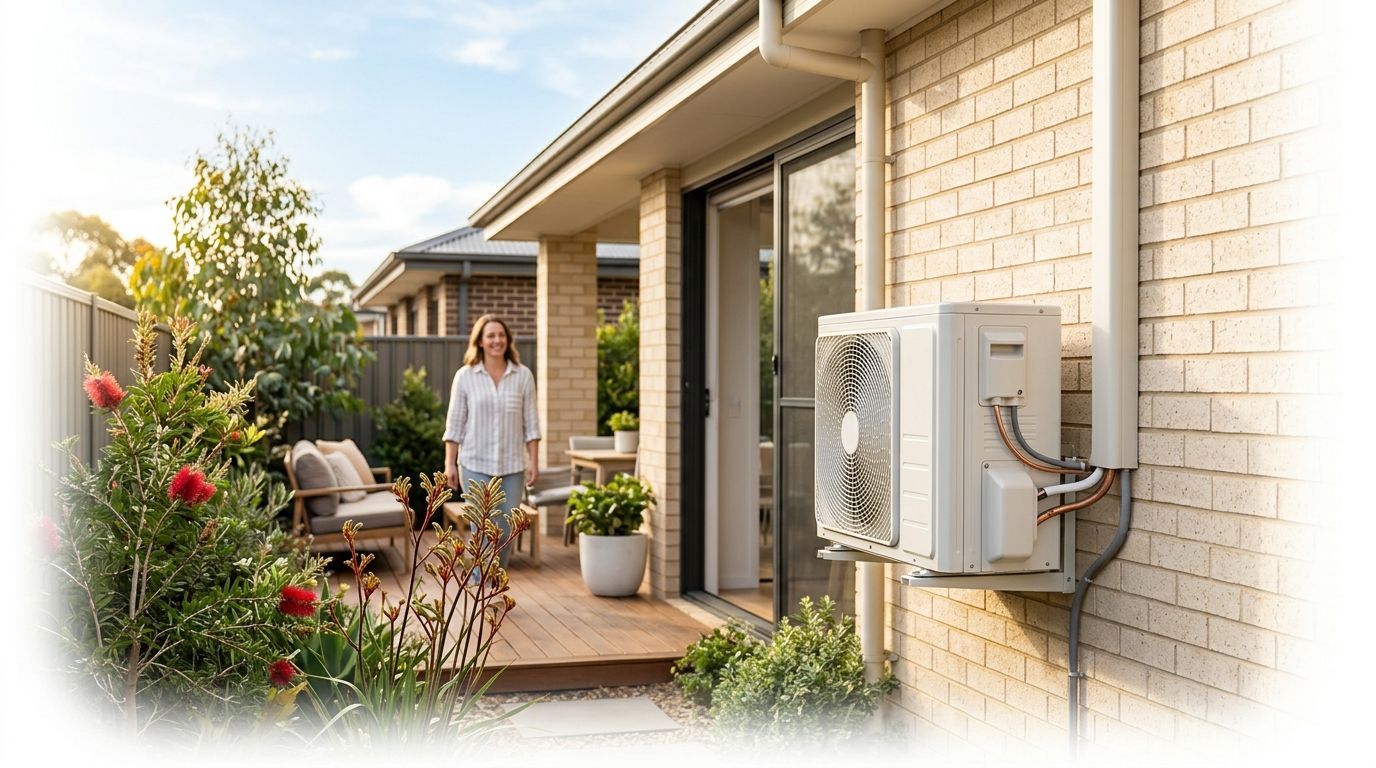
Walk into any air conditioning showroom or start browsing online and you'll quickly realise there are a lot of options. The different types of air conditioning systems available in Australia can feel overwhelming, especially when every brand claims theirs is the best fit for your home. The good news is that most homes suit one of four main system types: split systems, multi-split systems, ducted air conditioning and evaporative cooling.
Each system works differently, costs differently to run and suits different kinds of homes. This guide breaks down how each one works, who it's best for and what you can expect to pay, so you can make a confident decision before calling in an installer.
Key takeaways
A split system air conditioner is the most popular choice for Australian homes, and for good reason. It consists of two units: a wall-mounted indoor head unit that delivers conditioned air into the room and an outdoor compressor unit that sits outside the home. The two are connected by refrigerant lines and electrical cabling run through a small hole in the wall. Our split system air conditioning range covers every room size and budget, from compact 2.5kW units for bedrooms right up to 9kW models for large open-plan living areas.
The refrigerant cycle is straightforward. In cooling mode, the indoor unit absorbs heat from the room air and transfers it to the outdoor unit, which releases that heat outside. In heating mode, the process reverses. The system moves heat rather than generating it, which is why modern split systems are far more energy-efficient than older resistive heaters.
Here is a quick summary of the key pros and cons:
| Pros | Cons |
|---|---|
| Affordable upfront cost compared to ducted systems | Conditions one room or zone per unit only |
| Straightforward installation, usually completed in half a day | Visible wall-mounted unit may not suit all interiors |
| Precise room-by-room temperature control | Multiple units needed for whole-home coverage |
| Quiet indoor operation (as low as 19dB on some models) | Each additional unit adds to running costs |
| Reverse-cycle models provide both heating and cooling |
Split systems are the go-to solution for bedrooms, living rooms, apartments and rental properties. They are also a practical choice for homeowners who want to cool or heat specific rooms without the expense of a full ducted installation.
Two models Frozone Air regularly installs at the entry-to-mid level are the Daikin Cora 2.5kW (FTXM25YVMA), priced at around $900 to $1,100 for the unit before installation, and the Mitsubishi Electric MSZ-AP25VGD 2.5kW, which sits in the $1,100 to $1,400 range before installation. Both are reverse-cycle inverter models with strong energy star ratings and quiet indoor operation. Installation costs vary depending on the site, but budget an additional $600 to $1,000 for a standard single-storey installation.
A cooling-only split system does exactly what the name suggests: it removes heat from a room to cool it down, but it cannot run in reverse to provide heating. A reverse-cycle model can do both, switching between cooling in summer and heating in winter using the same refrigerant cycle.
For most Australian homes, reverse-cycle is the smarter buy. Even in warmer cities like Brisbane and Perth, winter nights can get cold enough to need heating, and running a reverse-cycle split system is significantly cheaper than using electric bar heaters or gas. Virtually all modern split systems that Frozone Air supplies and installs are reverse-cycle inverter models, so unless you have a very specific reason to go cooling-only, you will almost certainly end up with a reverse-cycle unit anyway.

A multi-split air conditioning system connects two to five separate indoor units to a single outdoor compressor, letting you condition multiple rooms without cluttering the exterior of your home with multiple outdoor units. Each indoor unit operates independently, so you can run the bedroom at 20°C while the living room sits at 24°C, all from one compressor sitting outside. For homes with limited outdoor wall space or strict body corporate rules about exterior modifications, this is often the most practical path to whole-home comfort.
The core advantage over installing several individual split systems is the reduction in outdoor equipment. One compressor instead of three or four means a tidier roofline, fewer penetrations through the building envelope and a much easier approval process if you live in a strata or townhouse complex. The indoor units can be a mix of wall-mounted, ceiling cassette or floor console styles, giving you flexibility room by room.
Here is a summary of the key trade-offs:
| Pros | Cons |
|---|---|
| Single outdoor unit keeps the exterior clean and uncluttered | Higher upfront cost than a single split system |
| Independent temperature control in each connected room | If the outdoor unit fails, all indoor units lose function |
| Suits strata, townhouses and homes with limited outdoor space | Careful capacity sizing is critical at installation time |
| More cost-effective than multiple separate outdoor units | Adding extra indoor units later can be complex and costly |
Two ranges Frozone Air regularly installs are the Daikin MXS Series and the Mitsubishi Electric MXZ range. The Daikin MXS Series supports two to five indoor units from a single outdoor compressor and pairs with a wide variety of Daikin indoor head styles. The Mitsubishi Electric MXZ range is similarly flexible and is a strong choice for homes where quiet outdoor operation is a priority. Both brands size their multi-split outdoor units to match the combined load of the connected indoor units, which is why getting the sizing right from the start matters so much.
If you are considering this type of system, learn more about our multi-split system installation service to see how Frozone Air approaches the design and installation process across Sydney and Melbourne.
Ducted air conditioning uses a central unit, typically installed in the roof cavity or under the floor, to push conditioned air through a network of insulated ducts and ceiling vents spread across the entire home. If you want a full breakdown of how the technology works, read our guide to what is ducted air conditioning before coming back to compare it against the other system types covered here. In short, it is the only system type that delivers consistent, whole-home comfort without a single visible wall unit in any room.
Zoning is one of the biggest practical advantages of a ducted system. Rather than conditioning every room at once, you divide the home into zones, typically by area or floor, and only run the zones that are occupied. A family that spends the evening in the living and dining area can shut off the bedrooms entirely, which brings running costs down considerably compared to conditioning the whole house all day.
Here is how ducted systems compare on the key factors:
| Pros | Cons |
|---|---|
| Completely hidden installation, no visible wall units | High upfront cost, typically $8,000 to $20,000+ installed |
| Consistent comfort across every room in the home | Requires adequate roof cavity or underfloor space |
| Zoning lets you condition only the rooms in use | Not cost-effective for small homes, units or apartments |
| Compatible with smart controllers like iZone | Duct leaks or poor insulation can significantly reduce efficiency |
| Premium aesthetic suits high-end renovations and new builds | Servicing and repairs are more involved than split systems |
The two ducted ranges Frozone Air installs most frequently are the Daikin Ducted and Fujitsu Ducted series. Both are available in a range of capacities to suit homes from around 150 square metres up to large five-bedroom properties, and both integrate with smart zoning controllers that let you manage the system from your phone.
Ducted systems suit a specific type of home and buyer. Before requesting a quote, run through this quick checklist to see if it fits your situation:
For an accurate cost estimate before you book a consultation, use our ducted air conditioning cost calculator to get a ballpark figure based on your home size and zone requirements. It takes about two minutes and gives you a realistic starting point for your budget conversations.
Evaporative coolers work by drawing hot outside air through water-saturated pads, which causes the water to evaporate and drop the air temperature before it is pushed into the home. Unlike refrigerant-based split systems and ducted units, evaporative coolers do not recycle indoor air. They pull in fresh outside air continuously, which many people find more comfortable than the recirculated air of a conventional air conditioner. Running costs are significantly lower too, typically a fraction of what a comparable refrigerant system costs to operate.
The trade-off is that evaporative cooling only works well in dry conditions. As humidity rises, the evaporation process becomes less effective and the cooler struggles to drop the air temperature meaningfully. This makes evaporative cooling a poor fit for coastal cities like Sydney, Brisbane and most of Queensland, where summer humidity regularly sits above 60 to 70 per cent. In those climates, a refrigerant-based system is the only reliable option.
Evaporative cooling performs best in:
There are a few other practical limitations worth knowing. Evaporative coolers cannot heat, so you will need a separate heating solution for winter. Windows or doors must be left slightly open to allow the continuous airflow to escape, which can be a security concern or a nuisance on windy days. Some allergy sufferers also find that drawing unfiltered outside air through the home aggravates symptoms, particularly during high pollen periods.
For a full side-by-side breakdown of both technologies, read our guide on evaporative cooling vs air conditioning to see how they compare on cost, comfort and climate suitability.
The right air conditioning system depends on your home size, climate, budget and how many rooms you need to condition. Split systems suit most single-room and apartment situations, multi-split systems work well for multi-room homes with limited outdoor space, ducted systems deliver whole-home comfort in larger properties and evaporative coolers are a low-cost option for dry inland climates only. The table below summarises how each system compares across the key decision factors.
| System Type | Best For | Upfront Cost Range | Running Cost | Heats and Cools? | Whole-Home Coverage |
|---|---|---|---|---|---|
| Split System | Single rooms, apartments, rentals | $900 to $3,500+ (unit only) | Low to moderate | Yes (reverse-cycle) | No, one room per unit |
| Multi-Split System | Multi-room homes, strata, townhouses | $4,000 to $12,000+ installed | Moderate | Yes (reverse-cycle) | Partial, up to five rooms |
| Ducted System | Large homes, new builds, renovations | $8,000 to $20,000+ installed | Moderate to high (lower with zoning) | Yes (reverse-cycle) | Yes, whole home |
| Evaporative Cooler | Dry inland climates, budget-conscious buyers | $1,500 to $5,000 installed | Very low | Cooling only | Yes, whole home |
If budget is your primary concern, a split system is almost always the smartest starting point. A quality 2.5kW reverse-cycle unit covers a bedroom or medium-sized living room for under $2,500 fully installed, and you can add more units room by room as your budget allows. It is a flexible, low-risk way to get reliable heating and cooling without committing to a large upfront spend.
For homes with three or more rooms to condition but no roof cavity access for ducting, a multi-split system is the most practical path. One outdoor unit keeps the exterior tidy, each indoor unit runs independently and the total cost is usually lower than installing multiple separate split systems with their own outdoor compressors. It is also the preferred solution for strata properties where body corporate rules limit the number of outdoor units permitted on the building.
Large homes wanting a clean, invisible solution with consistent comfort in every room should look seriously at ducted. The higher upfront cost is offset by the premium finish, the ability to zone the home and the convenience of a single controller managing the whole property. It is the system most buyers in this category end up choosing and rarely regret.
Not sure which system suits your home? The Frozone Air team works across Sydney and Melbourne and can give you a personalised recommendation based on your floor plan, climate zone and budget. Contact us to request a free quote and we will take the guesswork out of the decision.
The split system is the most common type of air conditioning in Australia. It consists of a wall-mounted indoor unit and an outdoor compressor connected by refrigerant lines, and suits everything from single bedrooms to large living areas. Reverse-cycle inverter split systems are the default choice for most Australian homes because they provide both heating and cooling efficiently year-round.
Ducted air conditioning is the best option for whole-house coverage, as it delivers conditioned air through ceiling vents in every room from a single central unit. For homes where ducting is not practical, a multi-split system connecting up to five indoor units to one outdoor compressor is the next best alternative. The right choice depends on your home size, roof cavity access and budget.
A split system is cheaper to run when you only need to condition one or two rooms, because you are only cooling or heating the space you are using. A ducted system with zoning can be more cost-effective across a large home, since you can shut off unoccupied zones rather than running multiple individual units. Running costs for both system types depend heavily on the energy star rating of the unit and how consistently you use it.
Evaporative cooling does not work well in Sydney. Sydney's coastal climate brings high summer humidity, often above 60 to 70 per cent, which prevents the evaporation process from dropping air temperature effectively. A reverse-cycle split system or ducted system is a far more reliable choice for Sydney homes.
Choosing the right air conditioning system comes down to four things: your home size, your local climate, your budget and how you actually live in your home. There is no single answer that suits every household, which is why getting advice from someone who installs all four system types matters.
Frozone Air's team works across Sydney and Melbourne installing split systems, multi-split systems, ducted systems and evaporative coolers from leading brands including Daikin, Mitsubishi Electric and Fujitsu. Whether you have a clear idea of what you want or you are starting from scratch, we can help you find the right fit and give you a straight answer on cost.
Call us on 1300 801 839 or visit our air conditioning installation Sydney page to request a free quote. We will take care of the rest.