

Are Gas Wall Heaters Safe? What Australian Homeowners Need to Know
Are gas wall heaters safe for Australian homes? Learn the real risks, key safety features, and how they compare to reverse cycle heating.


Are gas wall heaters safe for Australian homes? Learn the real risks, key safety features, and how they compare to reverse cycle heating.
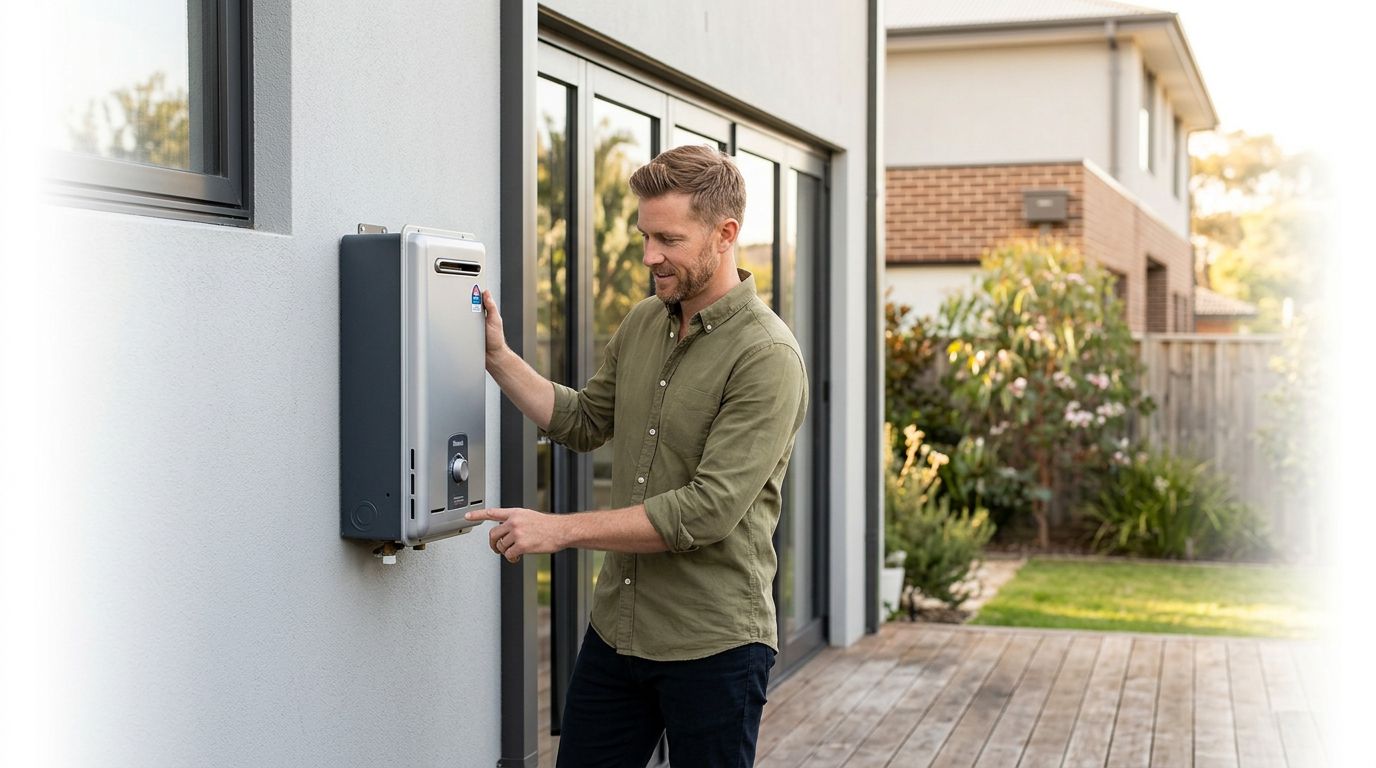
Gas wall heaters are safe for Australian homes when they are correctly installed, properly maintained and matched to the right environment. They remain one of the most popular heating choices across Victoria and NSW, but the question of gas wall heater safety is worth taking seriously. Carbon monoxide risk, ventilation requirements, the difference between flued and unflued models, and how modern units compare to older ones all affect whether your heater is genuinely safe to run.
The honest answer is that a well-chosen, professionally installed gas wall heater poses very little risk to your household. Problems arise when heaters are poorly maintained, installed in unsuitable spaces, or are older models without modern safety controls.
Key takeaways
A gas wall heater burns natural gas or LPG to generate heat, which is then transferred into the room either by convection, radiant heat or a combination of both. The combustion process produces byproducts including water vapour, carbon dioxide, nitrogen dioxide and, if combustion is incomplete, carbon monoxide. What happens to those byproducts is the critical difference between the two main types of gas wall heater available in Australia.
Flued gas wall heaters channel all combustion byproducts outside the home through a sealed flue pipe. The burner draws air from outside for combustion and exhausts gases back outside, meaning nothing from the combustion process enters your living space. This makes flued models the safer choice for enclosed rooms, bedrooms and any space where people spend extended periods of time.
Because the flue must be correctly sealed, positioned and terminated at the right height and clearance from windows and doors, professional installation is not optional. A poorly fitted flue can allow exhaust gases to re-enter the building, which creates exactly the carbon monoxide risk that the flued design is meant to prevent. If you are replacing an older flued heater, always have a licensed gas fitter inspect the existing flue before connecting a new unit.
Unflued gas wall heaters release combustion byproducts directly into the room where they operate. That includes water vapour, nitrogen dioxide and small amounts of carbon monoxide. In a well-ventilated space, these concentrations may remain within acceptable limits, but in a sealed modern home they can accumulate to levels that cause headaches, respiratory irritation and, in extreme cases, carbon monoxide poisoning.
Victoria has banned unflued gas heaters in bedrooms and living areas, and other states have varying restrictions on where and how they can be used. South Australia and the ACT have also moved to tighten rules around unflued models in recent years. Before purchasing any unflued heater, check the current regulations in your state or territory, as the rules are not uniform across Australia. In most cases, a flued model is the straightforward way to avoid the issue entirely.

Gas wall heaters carry four main safety risks: carbon monoxide poisoning, gas leaks, fire hazards and poor indoor air quality. None of these risks are unique to gas heating, and none are inevitable. Understanding what causes each one makes it straightforward to prevent them through correct installation and regular servicing.
The common thread across all four risks is that they are largely preventable. Professional installation, annual servicing and a basic awareness of clearance requirements address the vast majority of gas wall heater safety concerns. If you are weighing up your options, our guide to the best heating options for Australian homes covers how gas compares to electric and reverse cycle systems.
Modern gas wall heaters are significantly better specified than units from 10 or 20 years ago. Manufacturers now build multiple layers of automatic protection into their products, which means a well-chosen current model manages most safety risks without any action from the homeowner. Here are the five key features to look for when buying a new unit or assessing an existing one.
Two models Frozone Air installs that demonstrate these features well are the Rinnai Energysaver 309FT and the Rinnai Dynamo 25 Plus. Both are flued natural gas heaters with ODS, flame failure devices and overheat protection built in as standard. The Energysaver 309FT is a compact, wall-mounted convector suited to smaller living areas, while the Dynamo 25 Plus offers higher output for larger rooms. Rinnai has a strong reputation for build quality and parts availability in Australia, which matters when it comes to long-term servicing and reliability.
Reverse cycle split systems are generally the lower-risk heating option compared to gas wall heaters, because they produce no combustion byproducts at all. The table below compares flued gas, unflued gas and reverse cycle systems across the factors that matter most for household safety, running costs and practicality.
| Heating Type | Safety Risk Level | Running Cost (approx.) | Installation Requirement | Cooling Capability | Indoor Air Quality Impact |
|---|---|---|---|---|---|
| Flued Gas Wall Heater | Low to moderate (risk rises if flue is poorly maintained or blocked) | $0.10–$0.15 per hour on natural gas | Licensed gas fitter required; flue must be correctly terminated | None | Minimal if flue is intact; combustion gases vented outside |
| Unflued Gas Wall Heater | Moderate to high (combustion byproducts released directly into room) | $0.08–$0.13 per hour on natural gas | Licensed gas fitter required; banned in bedrooms and living areas in Victoria | None | Significant; nitrogen dioxide, water vapour and CO released indoors |
| Reverse Cycle Split System | Low (no combustion, no gas, no flue) | $0.10–$0.20 per hour depending on system size and electricity tariff | Licensed electrician and refrigeration mechanic required | Yes, full cooling in summer | No combustion byproducts; filtered air circulation |
Reverse cycle air conditioning produces zero combustion byproducts, which makes it the lower-risk choice for households with young children, elderly residents or anyone with asthma or a respiratory condition. There is no flue to block, no gas to leak and no nitrogen dioxide accumulating in the room. Frozone Air installs reverse cycle split systems across Sydney and Melbourne, and in most cases a quality split system will also handle your summer cooling, making it a practical year-round solution rather than a single-season appliance.
Not sure how reverse cycle heating works? Read our explainer on how reverse cycle aircon works.
If you already own a gas wall heater, these six steps cover the most important actions you can take to keep it operating safely. Most of them cost nothing and take only a few minutes, but they significantly reduce the risk of carbon monoxide exposure, gas leaks and fire.
If your heater is more than 10 years old, a professional inspection is strongly recommended even if it appears to be running normally. Older units are more likely to have degraded seals, corroded flue components and worn safety controls that are not obvious from the outside. A licensed gas fitter can assess whether the unit is still safe to operate or whether replacement is the more sensible option. If you also run a ducted heating gas system, the same servicing principles apply. See our guide to ducted heating gas systems for more detail.
A flued gas wall heater that has been professionally installed and recently serviced can generally be left running overnight, but it is not recommended as standard practice. The greater risk comes from unflued models, which release combustion byproducts into the room and should never be left running in a closed bedroom while people sleep. If you do run a flued heater overnight, ensure a carbon monoxide detector is installed and functioning in the same room.
You cannot detect carbon monoxide through smell or sight, which is why a CO detector is the only reliable way to know if your heater is leaking it. Physical symptoms such as persistent headaches, dizziness, nausea or fatigue that improve when you leave the house can also indicate CO exposure. If you suspect a leak, turn off the heater, ventilate the space and call a licensed gas fitter before using the appliance again.
Yes. Gas wall heaters should be professionally serviced every two years by a licensed gas fitter. A service covers the burner, heat exchanger, flue integrity and all gas connections, catching faults that are not visible during normal operation. Skipping servicing is the most common reason gas heaters develop safety problems over time.
Unflued gas heaters are not banned across all of Australia, but restrictions vary significantly by state. Victoria has banned their use in bedrooms and living areas, and South Australia and the ACT have also tightened rules around unflued models in recent years. Check the current regulations in your state or territory before purchasing, as the rules continue to evolve and non-compliance can affect your home insurance.
Gas wall heaters are safe when the right conditions are met: the unit is flued, installed by a licensed gas fitter, serviced every two years and paired with a carbon monoxide detector. Problems arise when any one of those conditions is missing, particularly with older or unflued models in poorly ventilated spaces.
For many Australian households, a reverse cycle split system is worth serious consideration as an alternative. It produces no combustion byproducts, requires no flue, carries no gas leak risk and handles both heating and cooling year-round. If you would like a free quote on split system installation in Sydney, get in touch with the Frozone Air team online or call us on 1300 801 839. We are happy to talk through the right heating solution for your home, your budget and your climate zone.