

Multi Split System Air Conditioner: How It Works and Is It Worth It?
Learn how a multi split system air conditioner works, what it costs to install in Australia, and whether it's the right choice for your home.


Learn how a multi split system air conditioner works, what it costs to install in Australia, and whether it's the right choice for your home.
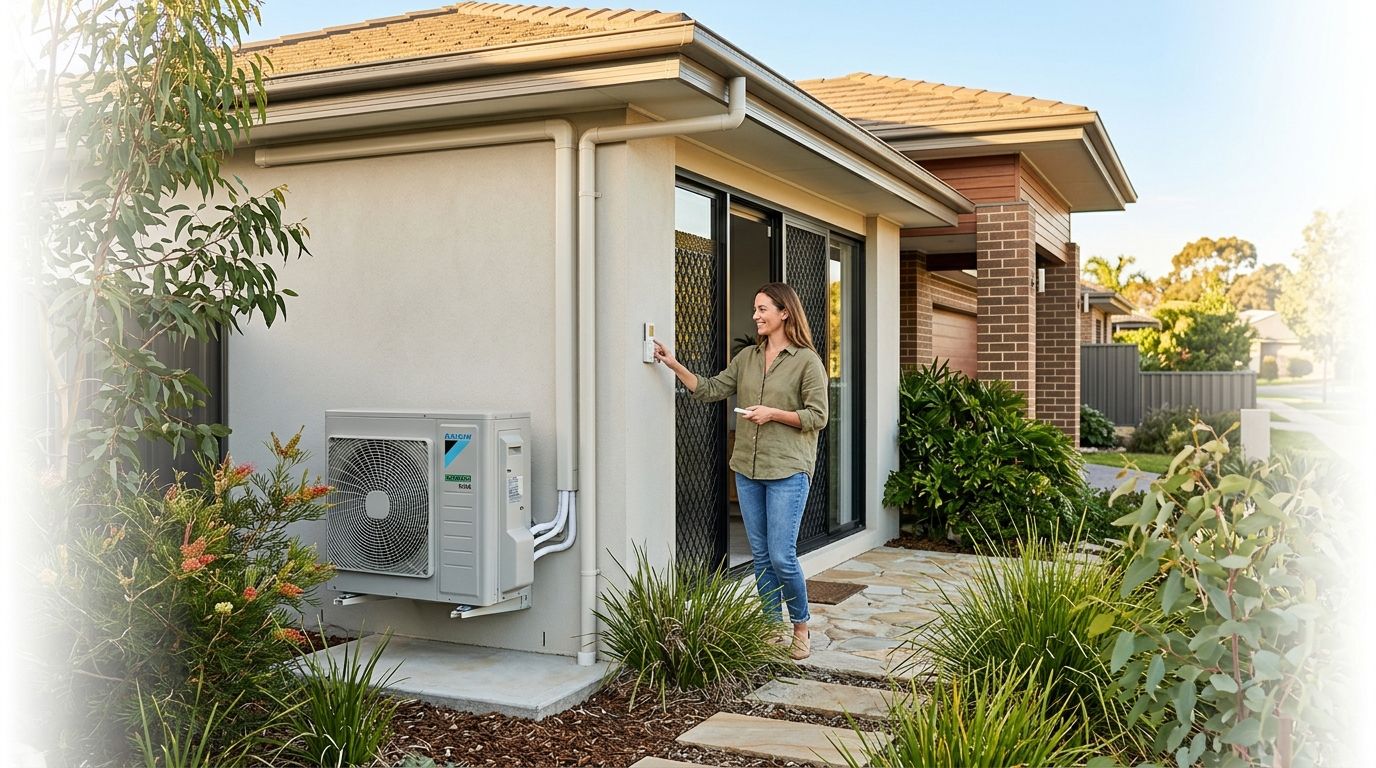
A multi split system air conditioner connects two to five indoor units to a single outdoor compressor, letting you heat or cool multiple rooms without installing a separate outdoor unit for each one. Unlike a standard single-zone split system, which pairs one indoor head with one outdoor unit, a multi split system runs all its indoor heads off the same outdoor unit. For a full overview of your options, see our guide to types of air conditioning systems.
This article answers two questions that come up constantly when homeowners are weighing up their options: how does a multi split system actually work, and is the extra upfront cost worth it compared to buying multiple single-zone systems?
Key takeaways
A multi split system air conditioner uses one outdoor compressor to circulate refrigerant through separate lines to each indoor unit. The outdoor unit does the heavy lifting, compressing and expanding refrigerant to transfer heat, while each indoor head delivers conditioned air to its room. Because all zones share one compressor, the system can serve multiple rooms from a single outdoor installation point.
The physical setup is straightforward. One outdoor unit, typically rated between 5kW and 14kW of combined capacity, sits outside the home. Refrigerant lines run from that outdoor unit to each indoor head, with a branching pipe kit (called a refnet joint or branch pipe kit depending on the brand) splitting the refrigerant flow between zones.
Most systems support two to five indoor units, and those units do not all need to be the same size. A 2.5kW head might suit a bedroom while a 5kW head handles the open-plan living area. This flexibility is one of the practical advantages of the format: you size each indoor unit to the room it serves rather than compromising across the board.
The outdoor unit itself takes up roughly the same footprint as a large single-zone outdoor unit. Running three separate single-zone systems would require three outdoor units, which creates real problems on apartments, townhouses or homes with limited external wall space.
Each indoor unit operates independently. Every head comes with its own remote control, and most modern systems can also be integrated into a smart home controller or a brand-specific Wi-Fi app, so you can adjust temperatures room by room from your phone.
This is a meaningful difference from ducted systems, where independent room control requires additional zoning hardware and motorised dampers built into the ductwork. With a multi split system, zone independence is built in from the start.
Almost all multi split systems sold in Australia today are reverse cycle, meaning the same system provides both heating and cooling. The outdoor unit simply reverses the refrigerant flow to switch modes. Inverter technology in the compressor allows the outdoor unit to modulate its output up or down depending on how many zones are calling for conditioning at once, rather than cycling on and off at full power. This keeps running costs lower and maintains more consistent temperatures across all active zones.
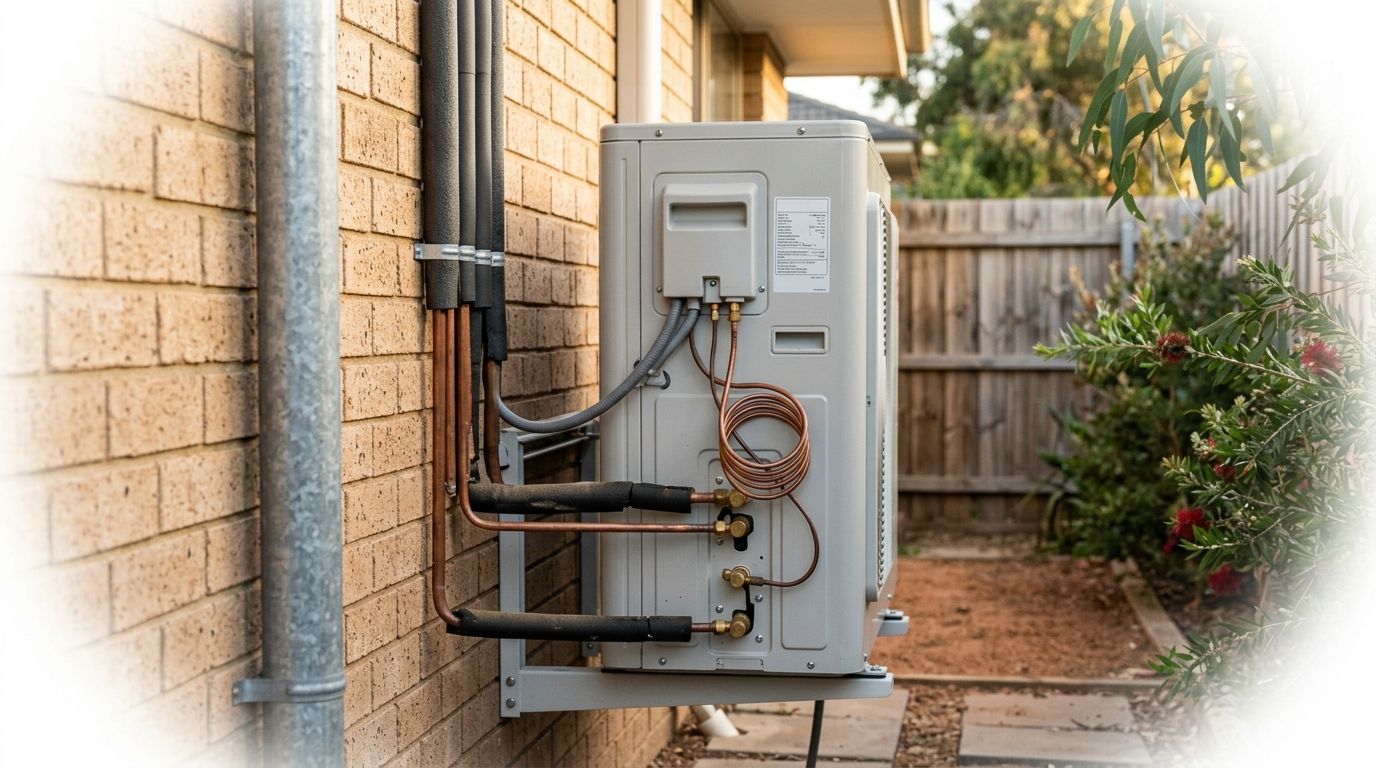
Choosing between a multi split system, a standard split system air conditioning unit and a ducted system comes down to five practical factors: budget, how many rooms you need to condition, how complex the installation will be, what the property is suited to and how much outdoor space you have for equipment. The table below puts all three side by side.
| System Type | Upfront Cost | Number of Zones | Installation Complexity | Best Suited For | Outdoor Unit Space Required |
|---|---|---|---|---|---|
| Single Split System | $1,200 to $3,500 installed (per unit) | One zone per unit | Low. Straightforward pipe run from one indoor to one outdoor unit | Single rooms, studios, small apartments, budget-conscious buyers | One outdoor unit per indoor head. Multiples needed for multiple rooms |
| Multi Split System | $3,500 to $12,000+ installed depending on zone count | Two to five zones from one outdoor unit | Moderate to high. Branching pipe runs and careful capacity matching required | Apartments, townhouses, homes with limited outdoor space or no roof cavity | One outdoor unit for all zones. Significant space saving over multiple singles |
| Ducted Air Conditioning | $8,000 to $20,000+ installed | Whole home, typically four to 10+ zones with motorised dampers | High. Requires accessible roof cavity and significant ductwork | Larger homes with roof space, new builds, buyers wanting invisible indoor units | One outdoor unit, but a large indoor fan coil unit also required in the ceiling |
A multi split system is the clear winner for apartments, townhouses and heritage properties where running ductwork through the ceiling is not possible. It is also the practical choice for homes where three or more rooms need conditioning but external wall space only allows for one outdoor unit. The single outdoor unit keeps the installation tidy and avoids the body corporate headaches that come with mounting multiple compressors on a balcony or rooftop.
If you have roof space and want whole-home coverage, ducted air conditioning may be a better fit, particularly for larger homes where conditioning five or more rooms would push a multi split system to its capacity limits. Multiple single split systems can also make sense if your rooms are spread across a large footprint and the cost of long refrigerant pipe runs would make a multi split installation expensive. The honest answer is that there is no single right choice. It depends on your home's layout, your budget and how many rooms you actually need to cool or heat day to day.
Multi split system installation in Australia typically costs between $3,500 and $12,000 or more depending on how many zones you need, the brands you choose and the complexity of the pipe runs involved. A two-zone system is the most affordable entry point, while a four-zone setup with premium brands and long pipe runs can push well past $10,000 all up.
Here are the realistic cost ranges for supply and installation in 2026:
These figures cover the outdoor unit, all indoor heads, refrigerant pipe runs, electrical connections and commissioning. They do not include switchboard upgrades, which can add $500 to $1,500 if your existing board cannot handle the additional load.
Multi split installation is more involved than a standard single split job. The pipe branching, capacity balancing and electrical work require a licensed refrigeration mechanic. Our team handles air conditioning installation in Sydney for all major multi split brands, and we can provide a fixed-price quote before any work begins.
Running costs vary depending on how many zones are active at once. If you are only running one or two heads, the inverter compressor will dial back its output accordingly, which keeps energy use lower than you might expect. A higher energy star rating on the outdoor unit also makes a meaningful difference to your quarterly power bill over the life of the system.
Several variables can push your installation cost up or down significantly. The main ones to be aware of are:
Multi split systems offer real advantages over running multiple separate units, but they also come with trade-offs that are worth understanding before you commit. The biggest wins are around space saving and zone flexibility. The main drawbacks are upfront cost and the fact that all your zones depend on a single outdoor unit.
Frozone Air installs and recommends three brands for multi split setups: Daikin, Mitsubishi Electric and Fujitsu. All three offer inverter technology, reverse cycle operation and strong Australian warranty support. The right choice depends on your budget, your home's layout and the specific performance characteristics that matter most to you.
Daikin is our most popular multi split recommendation and a strong all-round performer. The Daikin 3MXM52 is a three-zone outdoor unit rated at 5.2kW combined capacity, and it pairs with a wide range of Daikin indoor heads to suit different room sizes. For a standard three-zone setup, expect to pay approximately $4,500 to $6,500 fully installed. Daikin's local parts network and service coverage across Australia make it a reliable long-term choice.
Mitsubishi Electric is the pick for buyers who prioritise quiet operation and energy efficiency. The Mitsubishi Electric MXZ-3F54VF is a three-zone outdoor unit rated at 5.4kW, and it consistently earns strong energy star ratings. It is particularly well suited to bedrooms and noise-sensitive environments. Installed pricing for a three-zone setup typically falls between $5,000 and $7,000.
Fujitsu offers a reliable mid-range option that suits apartments and townhouses well. The Fujitsu AOTG24LBLA is a three-zone outdoor unit that balances performance and value, with installed pricing for a three-zone configuration running approximately $4,800 to $6,800. It is a practical choice for buyers who want a quality system without paying a premium-brand price.
Every installation is different, and the best system for your home depends on factors like room sizes, pipe run distances and your existing electrical setup. Ready to compare options? Browse our multi split system range to see what we install, or contact the Frozone Air team for a recommendation tailored to your home.
The main disadvantages of multi-split air conditioners are a higher upfront cost compared to a single split system, greater installation complexity due to branching refrigerant lines, and the fact that all zones lose heating and cooling if the outdoor unit develops a fault. Retrofitting extra indoor units later is often not possible if the outdoor unit is already running at its maximum capacity.
In Australia, a two-zone multi-split system typically costs between $3,500 and $6,000 fully installed. A three-zone or four-zone system can range from $5,000 to $12,000 or more, depending on the brand, combined capacity and the complexity of the pipe runs involved. These figures include supply, installation and commissioning. Get a fixed-price quote for an accurate figure based on your specific home.
A multi-split system is worth it for homes that need climate control across two to four rooms but lack roof space for ducting, or where mounting multiple outdoor units is not practical. It delivers independent zone control from a single outdoor unit footprint, which is a genuine advantage for apartments and townhouses. For a single room, a standard split system is the more cost-effective choice.
The $5,000 rule is a rough industry guideline suggesting that if the cost of repairing an air conditioner exceeds $5,000, it is generally more economical to replace the unit rather than repair it. It is a rule of thumb rather than a hard standard, and the right decision also depends on the system's age, overall condition and what a replacement would cost.
Multi split systems are an excellent solution for multi-room homes where ducting is not an option. They deliver independent zone control across two to five rooms from a single outdoor unit, keeping your external walls and balconies tidy while giving each room its own temperature setting. They cost more upfront than a single split system, but considerably less than a full ducted installation, which makes them the practical middle ground for apartments, townhouses and homes with limited roof space.
If that sounds like your situation, the Frozone Air team can help you work out the right brand, capacity and configuration for your home. Call us on 1300 801 839 or request a free quote online and we will put together a recommendation based on your rooms, your layout and your budget.