

Best Split System Air Conditioner Australia: Top Picks by Room Size (2026)
Looking for the best split system air conditioner in Australia? We break down top picks by room size, brand, and budget for 2026 Australian homes.


Looking for the best split system air conditioner in Australia? We break down top picks by room size, brand, and budget for 2026 Australian homes.
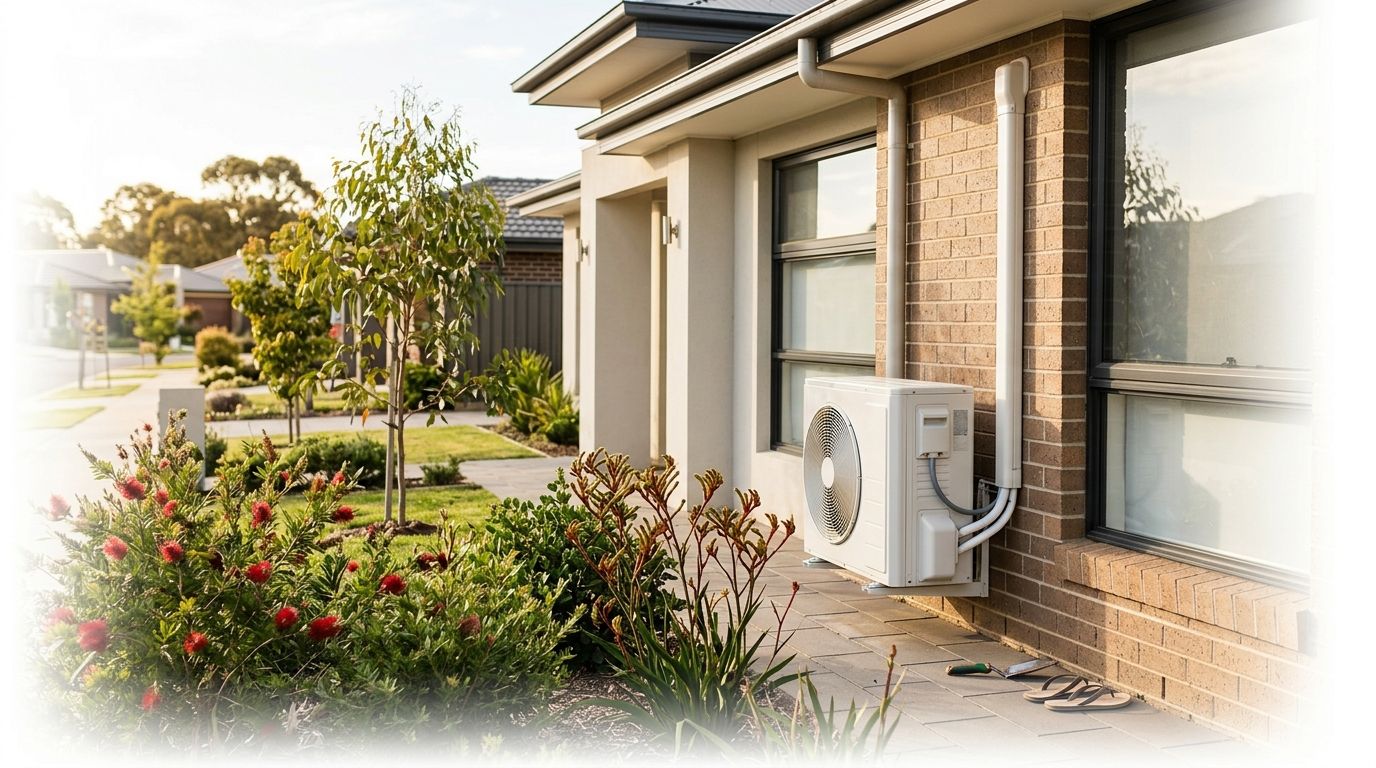
Choosing the best split system air conditioning unit in Australia means sorting through dozens of models from Daikin, Mitsubishi Electric, Rinnai, Fujitsu and more, each with different capacities, efficiency ratings and price points. Get it wrong and you end up with a unit that either struggles on a 40-degree Sydney afternoon or runs up your power bill cooling a room twice its size. This guide cuts through the noise with sizing advice, honest brand comparisons and specific top picks for every room type.
At Frozone Air, our technicians install all major brands across Sydney and Melbourne every day. That hands-on experience shapes every recommendation here. We'll walk you through how to size a system correctly, which brands stand out in 2026 and which models we'd put in our own homes.
Key takeaways
Matching your split system's capacity to your room size is the single most important decision you'll make. A unit that's too small will run constantly without reaching your target temperature, while an oversized unit will short-cycle, leaving the room feeling clammy and wearing out the compressor faster. As a starting point, use floor area in square metres to find the right kilowatt range.
| Room Size (m²) | Recommended Capacity (kW) | Typical Room Type |
|---|---|---|
| Up to 20m² | 2.0 – 2.5 kW | Small bedroom, study or home office |
| 20 – 40m² | 2.5 – 3.5 kW | Master bedroom, medium lounge or dining room |
| 40 – 60m² | 5.0 – 7.1 kW | Large living room or combined lounge and dining |
| 60m²+ | 7.1 – 9.0 kW | Open-plan kitchen, living and dining area |
For small rooms up to 20m², the Mitsubishi Electric 2.5kW MSZEF25VGW is our top pick at $1,212 including installation. It runs at just 19dB on its lowest fan speed, making it the quietest option we install and a natural fit for bedrooms where noise matters.
For medium rooms between 20 and 40m², the Rinnai 3.5kW T Series Inverter Split System HSNRT35B is the best-value option at $997 including installation. It delivers solid, reliable performance without the premium price tag, which makes it a popular choice for homeowners fitting out multiple rooms at once.
For large open-plan spaces of 50m² and above, the Daikin 8.5kW XL Premium FTXM85WVMA at $3,070 including installation is the unit we recommend most often. The capacity handles demanding spaces comfortably and the inverter technology keeps running costs reasonable despite the higher output.
Treat this table as a starting point rather than a final answer. A licensed installer will perform a proper load calculation that accounts for your specific home before recommending a final capacity. For a deeper look at the sizing process, see our guide on What Size Air Conditioner Do I Need.
Floor area alone won't give you the full picture. Four key variables can push your required capacity up by 10 to 20 per cent, and ignoring them is one of the most common reasons a new system underperforms.
If two or more of these factors apply to your room, it's worth discussing a larger model with your installer rather than relying on the table above.
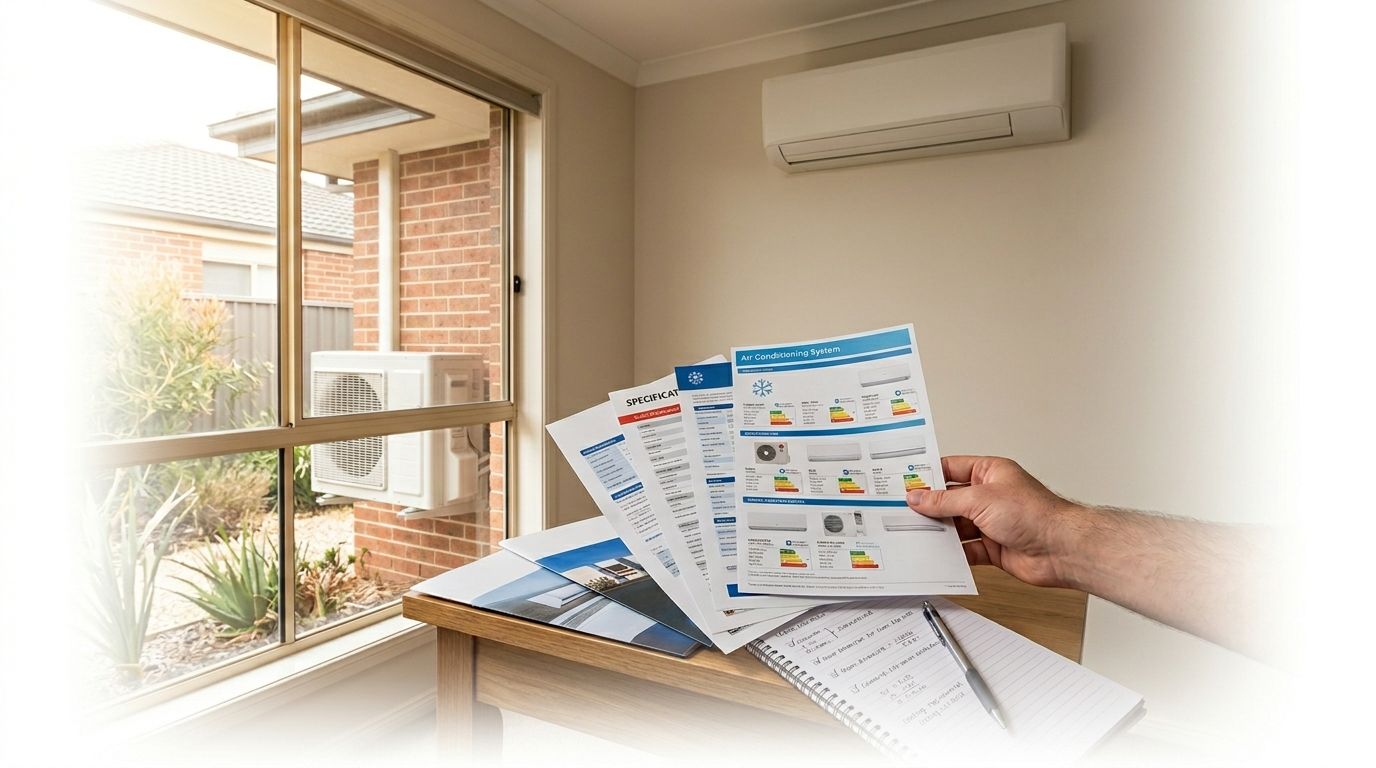
The right split system depends first and foremost on the size of the room you're cooling or heating. Below are our top picks across three room size categories, with prices that include supply and professional installation. Every model listed here is one our technicians install regularly, so these recommendations come from real-world experience rather than a spec sheet.
For bedrooms and studies up to 25m², a 2.5kW unit is the sweet spot across most Australian climates. It has enough grunt to handle a warm summer night without overcooling a small space, and the running costs stay manageable year-round. Two models stand out at this capacity.
The Mitsubishi Electric 2.5kW MSZEF25VGW at $1,212 including installation is our top pick for bedrooms. It runs at just 19dB on its lowest fan speed, which is quieter than a whisper in a library, and that makes a genuine difference when you're trying to sleep through a 35-degree night. The build quality is excellent and the unit has a compact, low-profile design that suits most bedroom walls.
If budget is a consideration, the Mitsubishi Heavy Industries Ciara 2.5kW DXK09ZTLA-WF at $1,068 including installation is a strong alternative. It delivers reliable performance at a lower entry price and still carries the quality backing you'd expect from the Mitsubishi Heavy Industries name.
Medium-sized rooms cover a wide range of spaces, from a generous main bedroom through to a mid-sized lounge or dining room. Capacity needs vary across this range, so the right model depends on where your room sits within it.
For rooms at the lower end of this bracket, the Rinnai 3.5kW T Series HSNRT35B at $997 including installation is the best-value option we install. It's a budget-conscious pick that doesn't cut corners on reliability, and it's particularly popular with homeowners fitting out multiple rooms at once where keeping the total cost down matters.
For larger lounge rooms pushing toward the 50m² mark, the Mitsubishi Electric 6kW MSZAP60VGKDKIT at $1,973 including installation is worth the step up. The built-in WiFi control is a practical benefit in a living area, letting you cool the room down before you arrive home or adjust the temperature from the couch without hunting for the remote.
Open-plan living areas are the most demanding spaces to cool and heat effectively. A combined kitchen, living and dining area of 50m² or more doesn't just have a large floor area to contend with. It also has heat load from cooking appliances, often higher ceilings and multiple people occupying the space at once. For these reasons, most open-plan spaces need between 7kW and 9kW to perform reliably on a hot day.
The Daikin 8.5kW XL Premium FTXM85WVMA at $3,070 including installation is the unit we recommend most often for these spaces. The capacity handles demanding heat loads comfortably, and the inverter compressor keeps running costs reasonable despite the higher output. It's a serious unit for a serious job.
For very large homes where a single unit still won't cover the whole area, a multi-split system is worth considering. A multi-split lets you run two or more indoor units from a single outdoor compressor, which can be more cost-effective and less disruptive than installing separate systems in each zone.
Daikin, Mitsubishi Electric, Fujitsu and Panasonic are the four brands Frozone Air installs most often, and each has a distinct strength. The table below gives a practical side-by-side comparison to help you narrow down which brand suits your priorities before you speak to an installer.
| Brand | Price Range (inc. install) | Energy Rating | Noise Level | Warranty | Best For |
|---|---|---|---|---|---|
| Daikin | $1,200 – $3,500+ | 3 to 6 stars | Low to moderate | 5 years parts and labour | Reliability, large spaces, wide model range |
| Mitsubishi Electric | $1,200 – $3,000+ | 3.5 to 6 stars | Very low (from 19dB) | 5 years parts and labour | Bedrooms, quiet operation, premium build quality |
| Fujitsu | $1,100 – $2,800+ | 3 to 5.5 stars | Very low | 5 years parts and labour | Quiet operation, compact indoor units |
| Panasonic | $1,000 – $2,500+ | 3 to 5 stars | Low to moderate | 5 years parts and labour | Value for money, solid everyday performance |
Daikin and Mitsubishi Electric are consistently the most popular choices among Australian homeowners, and for good reason. Both brands have a long track record in the local market, strong spare parts availability and technicians who know them well. Fujitsu is the brand we reach for first when a customer's top priority is quiet operation, particularly for bedrooms or home offices where noise is a real concern. Panasonic sits at the value end of the premium market, offering dependable performance without the price premium of the top two.
Frozone Air installs all four brands and can advise on the best fit based on your room, your budget and your climate zone. If you've already settled on Daikin, browse our Daikin range to see the full selection of models we supply and install.
The upfront purchase price is only part of what a split system will cost you over its lifetime. Four features matter most: energy star rating, inverter technology, noise levels and smart connectivity. Each has a real impact on how much you spend running the unit and how well it fits your daily life. Understanding each one before you buy helps you avoid a decision you'll regret two summers down the track.
Australia's zoned energy rating label shows separate star ratings for cooling and heating. The more stars, the less electricity the unit draws to do the same job. A 2.5kW unit with a 3-star cooling rating might cost around $180 per year to run, while a comparable 5-star model could bring that figure down to $110 or less. Over a 10-year lifespan, that gap adds up to more than the price difference between the two units. For a detailed breakdown of what your system is likely to cost per hour and per season, see our guide on how much power a split system uses.
Virtually every split system sold in Australia in 2026 uses inverter technology, and for good reason. A non-inverter unit runs its compressor at full speed until the room hits the target temperature, then switches off completely, cycling on and off repeatedly. An inverter compressor ramps up and down continuously to maintain the set temperature, which uses significantly less electricity and puts less wear on the motor. The small price premium over a non-inverter model pays for itself within the first year or two of regular use.
Noise matters most in bedrooms and studies, where a loud unit can genuinely disrupt sleep or concentration. Indoor unit noise is measured in decibels (dB), and the difference between models is more noticeable than most buyers expect. A unit running at 19dB, like the Mitsubishi Electric MSZEF25VGW, is barely perceptible in a quiet room. A unit at 26dB is noticeably present. As a rough guide, anything below 22dB is considered very quiet for bedroom use, while 25dB and above starts to become noticeable at night.
Built-in WiFi control has moved from a premium feature to a practical expectation for Australian buyers in 2026. Being able to pre-cool a room before you arrive home, set schedules from your phone or integrate the unit with a smart home platform like Google Home or Amazon Alexa is genuinely useful, not just a novelty. Most mid-range and premium models now include WiFi as standard, but it's worth confirming before you buy, particularly on entry-level units where it may be an optional add-on.
One final point worth making: the quality of the installation matters as much as the unit itself. A premium split system installed poorly, with incorrect pipe runs, inadequate gas charge or a poorly positioned indoor unit, will underperform and wear out faster than a mid-range unit installed correctly. Always use a licensed, experienced installer.
The right split system comes down to three things: matching the capacity to your room size, choosing a brand with a solid track record in Australia and factoring running costs into the total price, not just what you pay upfront. Get those three things right and you'll have a system that performs reliably for 10 to 15 years.
Frozone Air installs all major brands across Sydney and Melbourne, and our technicians do this every day. We know which models perform in the real world and which ones look good on a spec sheet but disappoint in practice.
Ready to get started? Request a free installation quote online and we'll get back to you with a firm price for your home. Prefer to talk it through first? Call us on 1300 801 839 and one of our team will help you find the right unit for your space and budget.
Daikin and Mitsubishi Electric are the two most consistently reliable split AC brands in the Australian market, both backed by strong warranty support and widespread service networks. Fujitsu and Panasonic are also well-regarded for build quality and longevity. That said, reliability is not purely a brand question. Correct sizing and professional installation play just as big a role in how long a system lasts and how well it performs.
Both Daikin and Mitsubishi Electric split systems are excellent, and the better choice depends on your priorities. Daikin is widely praised for energy efficiency and offers one of the broadest model ranges available in Australia, while Mitsubishi Electric is known for ultra-quiet operation and premium build quality. Budget, room type and personal preferences like WiFi control or noise sensitivity should guide your decision. A Frozone Air technician can assess your specific space and recommend the right fit.
The best split AC brand depends on the use case. For bedrooms, quiet models from Mitsubishi Electric or Fujitsu are hard to beat. For large open-plan living areas, Daikin's higher-capacity models are a popular choice. Budget-conscious buyers will find strong value in Rinnai and Panasonic. Every brand Frozone Air installs is vetted for quality and backed by the manufacturer's warranty, so you are covered regardless of which direction you go.
Air conditioning can be beneficial for people with high blood pressure by reducing heat stress, which is a known trigger for elevated BP during Australian summers. Extreme cold settings should be avoided, as sudden temperature changes can cause blood pressure fluctuations. Setting the thermostat to a comfortable 24 to 26°C is a sensible approach. Keeping the unit regularly cleaned also helps maintain good air quality, which supports overall cardiovascular comfort.