

Best Heating for Home: A Complete Comparison of Heating Options for Australian Homes
Comparing the best heating for home in Australia — reverse cycle, ducted, gas, hydronic and more. Find out which system suits your home and budget.


Comparing the best heating for home in Australia — reverse cycle, ducted, gas, hydronic and more. Find out which system suits your home and budget.
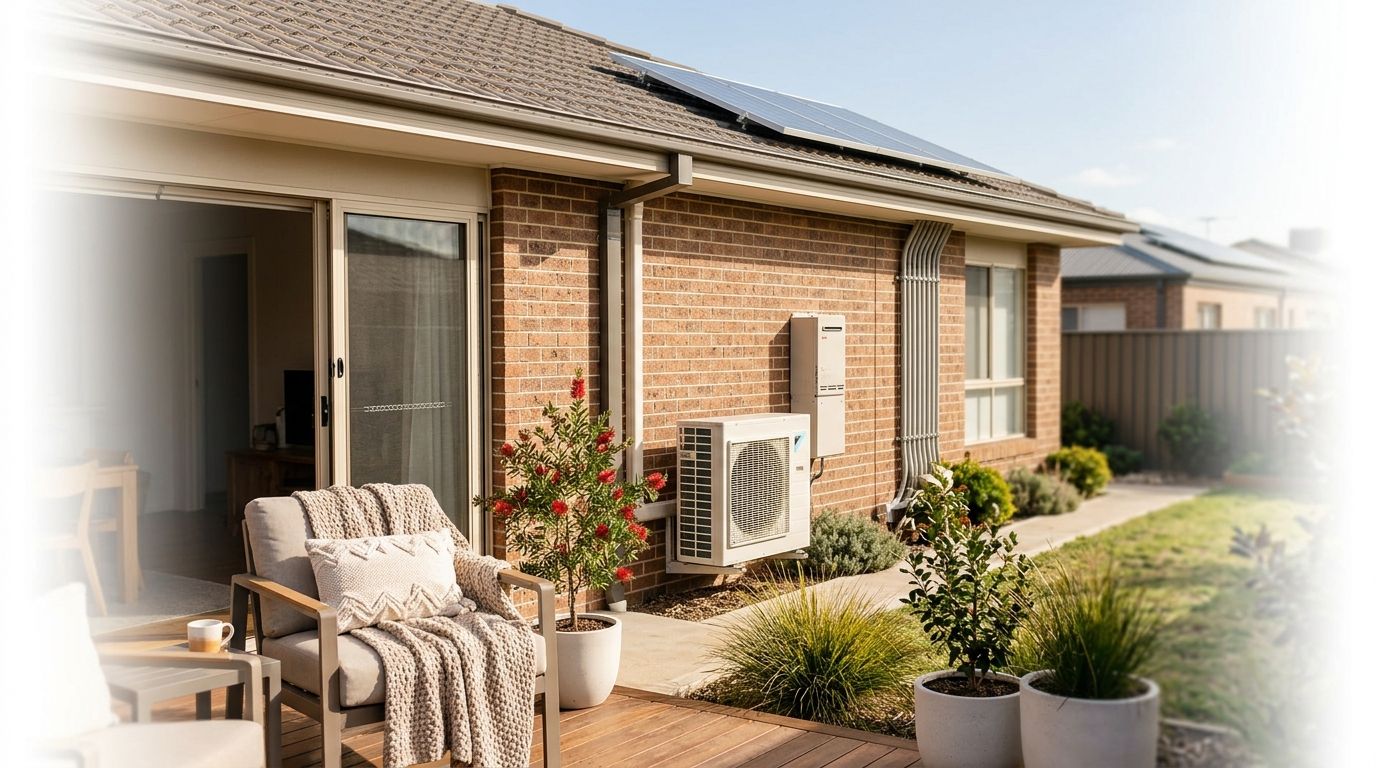
Finding the best heating for your home in Australia is not as straightforward as it sounds. A Sydney homeowner dealing with mild, damp winters has very different needs to someone in Canberra where overnight temperatures regularly drop below zero, or a Melbourne household that gets hit with cold snaps one week and warm spells the next. There is no single right answer, and anyone who tells you otherwise is oversimplifying.
In this guide, we compare the five main heating options Australian homeowners actually use: reverse cycle split systems, ducted reverse cycle, ducted gas, hydronic heating and portable or panel heaters. For each one, we cover upfront cost, running cost, efficiency and the home types they suit best. Our technicians install these systems every week across Sydney and Melbourne, so the advice here comes from the field, not a brochure.
Key takeaways
Each of the five heating types below suits a different combination of budget, home size and climate. For a quick read on how the underlying technology works, see our guide to reverse cycle air conditioning explained before reviewing the comparison. The table below gives you a side-by-side snapshot across the metrics that matter most.
| Heating Type | Upfront Cost (Supply + Install) | Running Cost | Energy Efficiency | Best For | Heats Whole Home? |
|---|---|---|---|---|---|
| Reverse Cycle Split System | From ~$1,200 | Low to moderate | Very high (COP 3.0–5.0+) | Single rooms, apartments, bedrooms | No (zone by zone) |
| Ducted Reverse Cycle | $8,000–$20,000+ | Moderate (lower with zoning) | High | Whole-home heating and cooling, new builds | Yes |
| Ducted Gas Heating | $3,000–$8,000 | Moderate (gas price dependent) | Moderate | Colder climates, homes already on gas | Yes |
| Hydronic Heating | $10,000–$20,000+ | Moderate to high | Moderate (higher with heat pump) | Premium renovations, allergy sufferers, consistent warmth | Yes |
| Portable/Panel Heaters | $50–$500 | High (resistive electricity) | Low | Occasional use, rentals, supplementary heating | No |
Reverse cycle systems dominate the Australian market for good reason. They heat and cool from a single unit, run entirely on electricity and can be offset by rooftop solar, which makes them the most future-proof option available. For most Australian homes, a reverse cycle split system or ducted reverse cycle setup will be the right call.
For single rooms and smaller homes, a 2.5kW split system covers the most common use cases well. The Daikin Cora FTXM25Y is our go-to entry-level recommendation at around $1,099 supply price plus installation. It is reliable, widely serviced across Australia and a strong everyday performer for bedrooms and living rooms up to around 25m². If noise is a priority, particularly for a bedroom, the Mitsubishi Electric MSZ-AP25VGD comes in at around $1,149 supply plus installation and runs at just 19dB on its indoor unit, with Hyper Heating capability that holds performance even on very cold nights. Budget-conscious buyers should also consider the Fujitsu ASTG09KMCA at around $999 supply plus installation. Its compact indoor unit fits neatly into tighter spaces and it carries a solid energy star rating for its class.
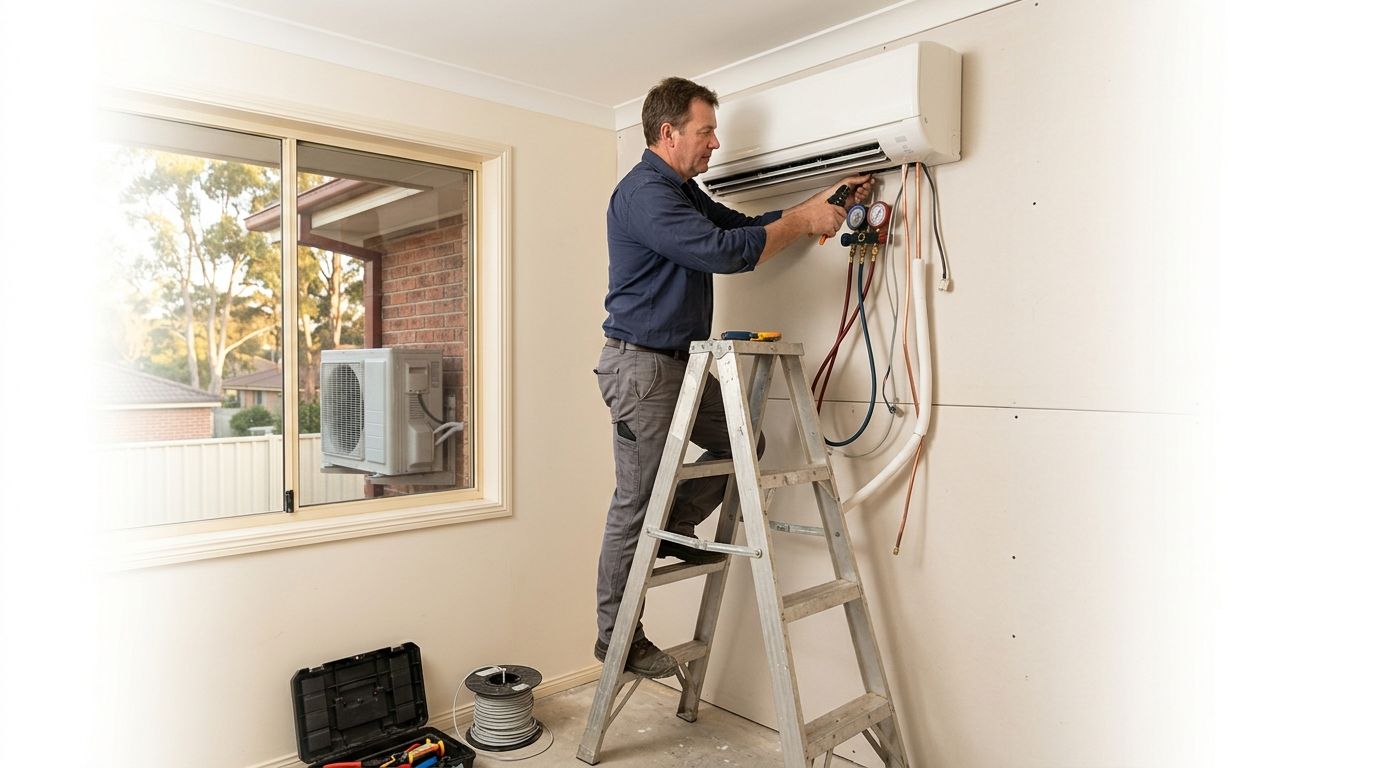
Reverse cycle split systems are the most popular heating choice for Australian homes because they deliver three to five units of heat for every unit of electricity consumed, making them far cheaper to run than gas heaters or resistive electric panels. Modern inverter models can extract heat from outside air down to around -15°C, which covers every climate zone in Australia except the most extreme alpine areas. For a full technical breakdown, see our guide on how reverse cycle aircon works.
The efficiency advantage comes down to the coefficient of performance, or COP. A standard electric bar heater has a COP of 1.0, meaning one kilowatt of electricity produces one kilowatt of heat. A modern reverse cycle split system typically achieves a COP of 3.0 to 5.0, meaning the same kilowatt of electricity delivers three to five kilowatts of warmth into your room. That gap in efficiency is why running costs are so much lower, even as electricity prices have risen.
For Sydney and Melbourne homeowners, a 2.5kW split system covers the most common heating scenarios well. Sydney winters are mild enough that a single unit handles most living rooms and bedrooms without strain. Melbourne's colder snaps and greater temperature swings make the Hyper Heating capability of premium models more relevant, particularly for rooms that need to warm up quickly on a frosty morning.
Frozone Air stocks and installs three strong options at the 2.5kW size. The Daikin Cora FTXM25Y at around $1,099 supply plus installation from around $600 is our entry-level recommendation: reliable, widely serviced across Australia and a solid everyday performer for rooms up to around 25m². For bedrooms where noise matters, the Mitsubishi Electric MSZ-AP25VGD at around $1,149 supply plus installation is worth the small premium. Its indoor unit runs at just 19dB and its Hyper Heating technology maintains strong output even on very cold nights. Budget-conscious buyers should look at the Fujitsu ASTG09KMCA at around $999 supply plus installation. Its compact indoor unit suits tighter wall spaces and it carries a solid energy star rating for its class.
For households wanting to heat multiple rooms without ducting, a multi-split system connects two to five indoor units to a single outdoor compressor. This avoids the cost and disruption of ductwork while giving you independent temperature control in each room. Our split system air conditioning installation service covers Sydney and Melbourne, with multi-split options available across all major brands.
Running a 2.5kW reverse cycle split system for six hours a day at a typical electricity rate of around $0.30 per kWh costs roughly $1.35 per day to heat a single room. A ducted gas system heating a whole home typically costs $3 to $6 per day in gas, depending on the size of the home and the current gas tariff in your state. The split system wins on per-room cost, but gas ducted heating does cover the whole home in one go.
The honest comparison depends on what you are heating. If you only need one or two rooms warm at a time, a reverse cycle split system is almost always cheaper to run than gas ducted heating. If you genuinely need every room in a large home heated simultaneously, a gas ducted system can still be competitive on daily running cost, though it offers no cooling capability and leaves you exposed to gas price movements.
For most Australian homes in Sydney, Melbourne and similar climates, reverse cycle wins on flexibility and total cost of ownership. Gas ducted heating may still make sense for large homes in very cold climates such as alpine Victoria, particularly where a gas connection is already in place and the household has no need for cooling. Outside those specific situations, the case for gas is getting harder to make as electricity from rooftop solar becomes more common and gas tariffs continue to rise.
Ducted heating covers your whole home from a single system, but the choice between gas and reverse cycle ducted air conditioning involves a genuine trade-off between upfront cost, running cost and long-term flexibility. Ducted gas heating typically costs $3,000 to $8,000 installed, heats up fast and works well in colder climates. Ducted reverse cycle costs more upfront at $8,000 to $20,000 or more depending on home size, but it heats and cools, runs on electricity and can be offset by rooftop solar.
Ducted gas heating uses a central furnace, usually in the roof or under the floor, to push warm air through a network of ducts and vents. It delivers heat quickly and handles large homes in cold climates without difficulty. The downsides are real though. There is no cooling capability, ongoing exposure to gas tariff increases and Australia's clear policy direction away from gas connections in new homes. Several states have already moved to restrict gas in new builds, and that trajectory is unlikely to reverse.
Ducted reverse cycle systems use the same heat-pump technology as split systems, scaled up to serve an entire home. Both gas and reverse cycle ducted systems support zoning, which lets you heat only the rooms in use and reduce running costs significantly. For a deeper look at the gas side of this comparison, our article on ducted gas heating: how it works and is it worth it covers the technology, costs and whether it still makes sense in 2026.
| Feature | Ducted Gas Heating | Ducted Reverse Cycle |
|---|---|---|
| Typical installed cost | $3,000–$8,000 | $8,000–$20,000+ |
| Heating speed | Fast | Fast to moderate |
| Cooling capability | No | Yes |
| Solar offset possible | No | Yes |
| Zoning available | Yes | Yes |
| Gas tariff exposure | Yes | No |
| Future-proof | Limited | Strong |
For new builds and major renovations, ducted reverse cycle is increasingly the preferred choice among builders and homeowners alike. The higher upfront cost is offset over time by lower running costs, the ability to cool in summer and eligibility for solar offsets. Our ducted air conditioning team can size and install a system for your home, with options from Daikin, Mitsubishi Electric, Fujitsu and ActronAir.
Hydronic heating deserves a mention as a premium niche option. It circulates heated water through pipes under the floor or through wall-mounted panels, producing a gentle, even warmth with no air movement and no allergens blown around the room. The comfort level is genuinely excellent. The catch is cost: hydronic systems typically run $10,000 to $20,000 or more to install, and they provide no cooling at all. They suit new builds or major renovations where the floor can be opened up, and they work best for households with specific health or comfort requirements. For most Australian homeowners retrofitting an existing home, the cost and complexity make hydronic heating hard to justify against a well-zoned ducted reverse cycle system.
Choosing the right heating system comes down to four practical questions about your home, your budget and how you use your space. Work through each one in order and the right option will become clear without needing to compare every system on the market at once.
One final point on installation: all reverse cycle air conditioning systems must be installed by a licensed refrigeration mechanic. DIY installation is not legal in Australia and will void your warranty. Frozone Air's technicians are fully licensed and handle the complete installation process, from sizing the system to commissioning and testing.
Reverse cycle air conditioning is the most efficient heating system for Australian homes. Modern inverter split systems achieve a coefficient of performance of 3.0 to 5.0, meaning they deliver three to five kilowatts of heat for every kilowatt of electricity consumed. No other common heating technology comes close to that efficiency ratio, including gas ducted heating and resistive electric heaters.
For heating one or two rooms, reverse cycle is almost always cheaper to run than gas ducted heating. A 2.5kW reverse cycle split system running for six hours costs roughly $1.35 per day at typical electricity rates. Gas ducted heating covering a whole home typically costs $3 to $6 per day. The comparison shifts if you genuinely need every room in a large home heated at once, but for most households, reverse cycle wins on running cost.
For cold climates such as alpine Victoria, the ACT and inland New South Wales, a reverse cycle system with Hyper Heating or cold-climate capability is the best all-round choice. Premium models from Mitsubishi Electric and Daikin maintain strong heating output down to around -15°C. Ducted gas heating is also a practical option for very cold areas, particularly in homes already connected to gas, though it offers no cooling and no solar offset.
A single split system cannot heat a whole home, as it conditions only the room where the indoor unit is installed. To heat multiple rooms without ducting, a multi-split system connects two to five indoor units to one outdoor compressor, giving you independent temperature control in each room. For whole-home heating from a single system, ducted reverse cycle is the most practical solution for most Australian homes.
For most Australian homes, a reverse cycle split system or ducted reverse cycle system offers the best combination of efficiency, flexibility and long-term value. The right choice depends on your home size, budget and whether you need cooling as well as heating. A single room or apartment suits a 2.5kW split system. A whole home is better served by ducted reverse cycle, particularly if you want one system to handle both seasons.
Frozone Air's team installs and services heating and cooling systems across Sydney and Melbourne. If you are ready to find the right system for your home, call us on 1300 801 839 or request a free quote online. We will assess your space, recommend the right system and handle the full installation from start to finish.